Discover

The Cruz de Ferro

The Cruz de Ferro

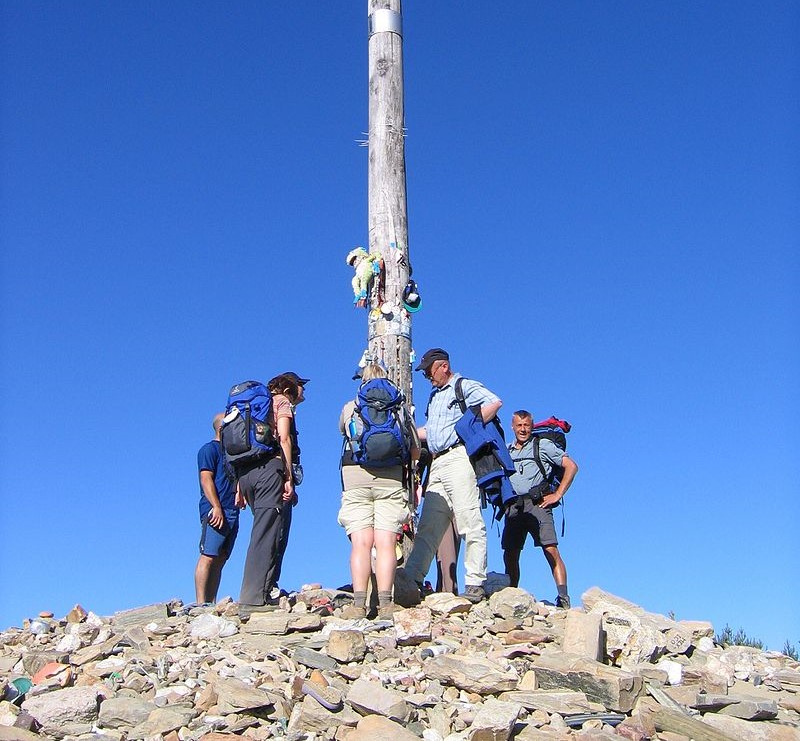
Along the Camino the pilgrim will find many mounds of stones known as "humilladeros", true symbols of the Camino among which the Cruz de Ferro is the most famous. Located at an approximate height of 1,490 meters, between Foncebadón and Manjarín, not far from the...
Iria Flavia and the origin of the Saint James tradition in Galicia

Iria Flavia and the origin of the Saint James tradition in Galicia

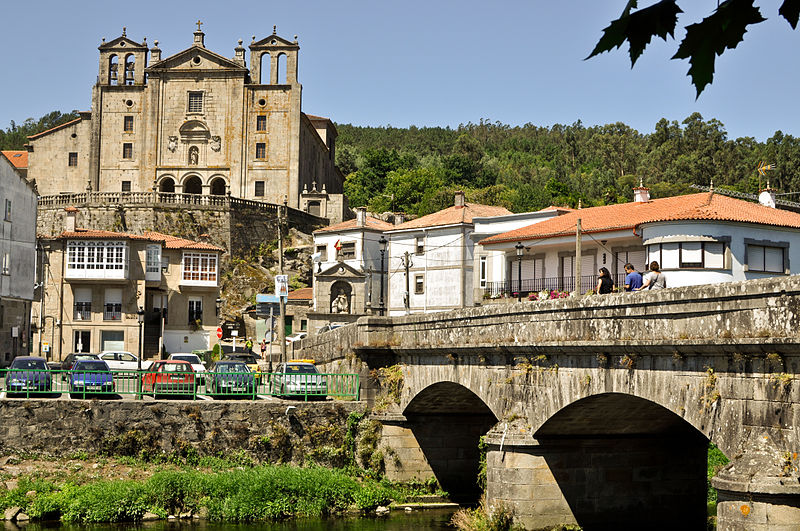
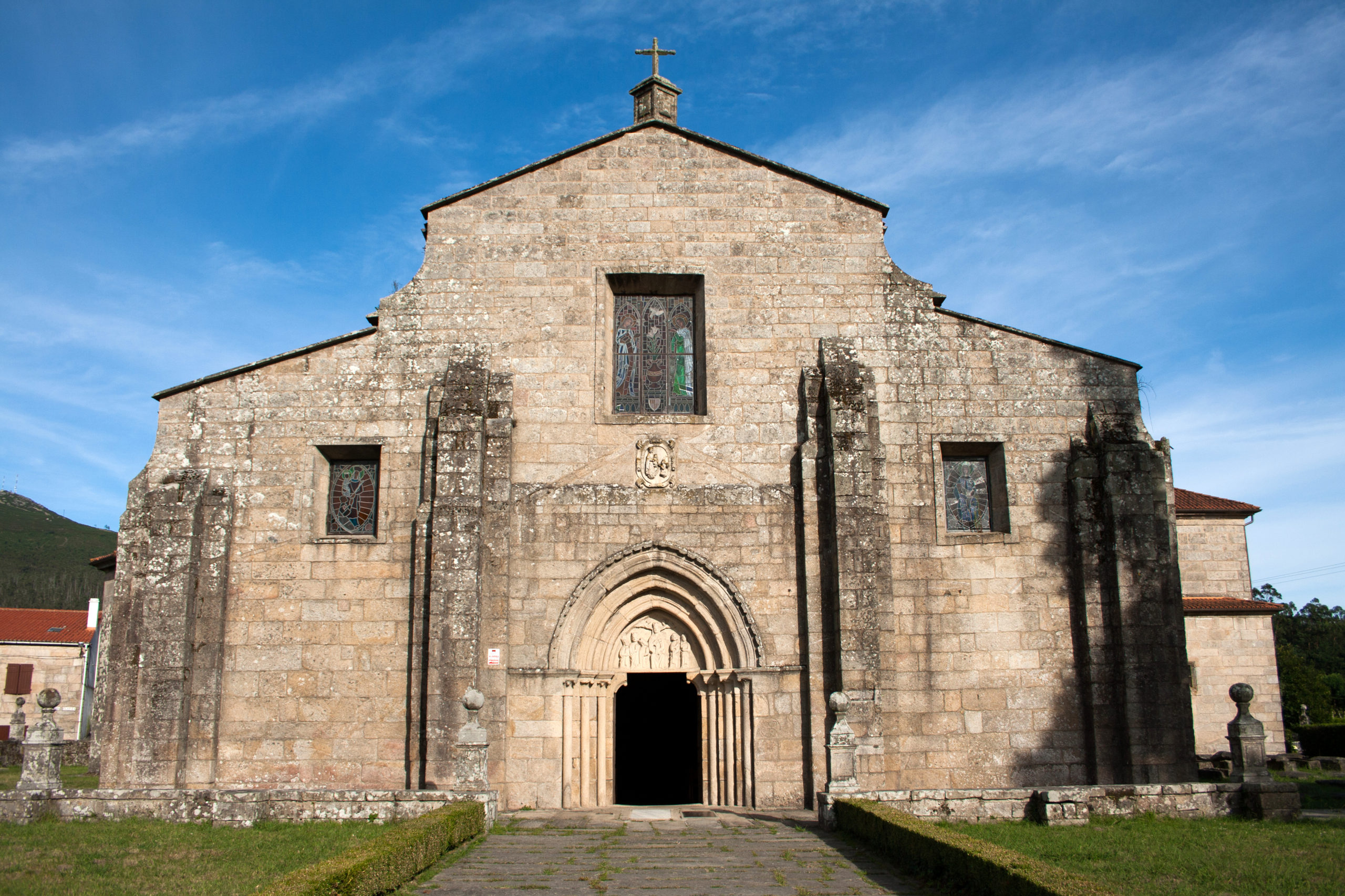
The town and river bank of Iria Flavia was, according to tradition, the landing place of the boat that carried the body of the Apostle from the port of Haifa (Palestine). Iria Flavia is thus linked to the origin of the legend of Santiago: to the Traslatio de Santiago,...

Padrón and the origen of the Saint James tradition in Galicia

Padrón and the origen of the Saint James tradition in Galicia

Padrón is not a town on the Portuguese Way: Padrón is a central place in the legend of Santiago that all pilgrims should know! Just over 20 kilometers from Santiago, half an hour by train or a few hours walking, Padrón offers pilgrims from Compostela Jacobean history,...

Walking with or without a staff?

Walking with or without a staff?

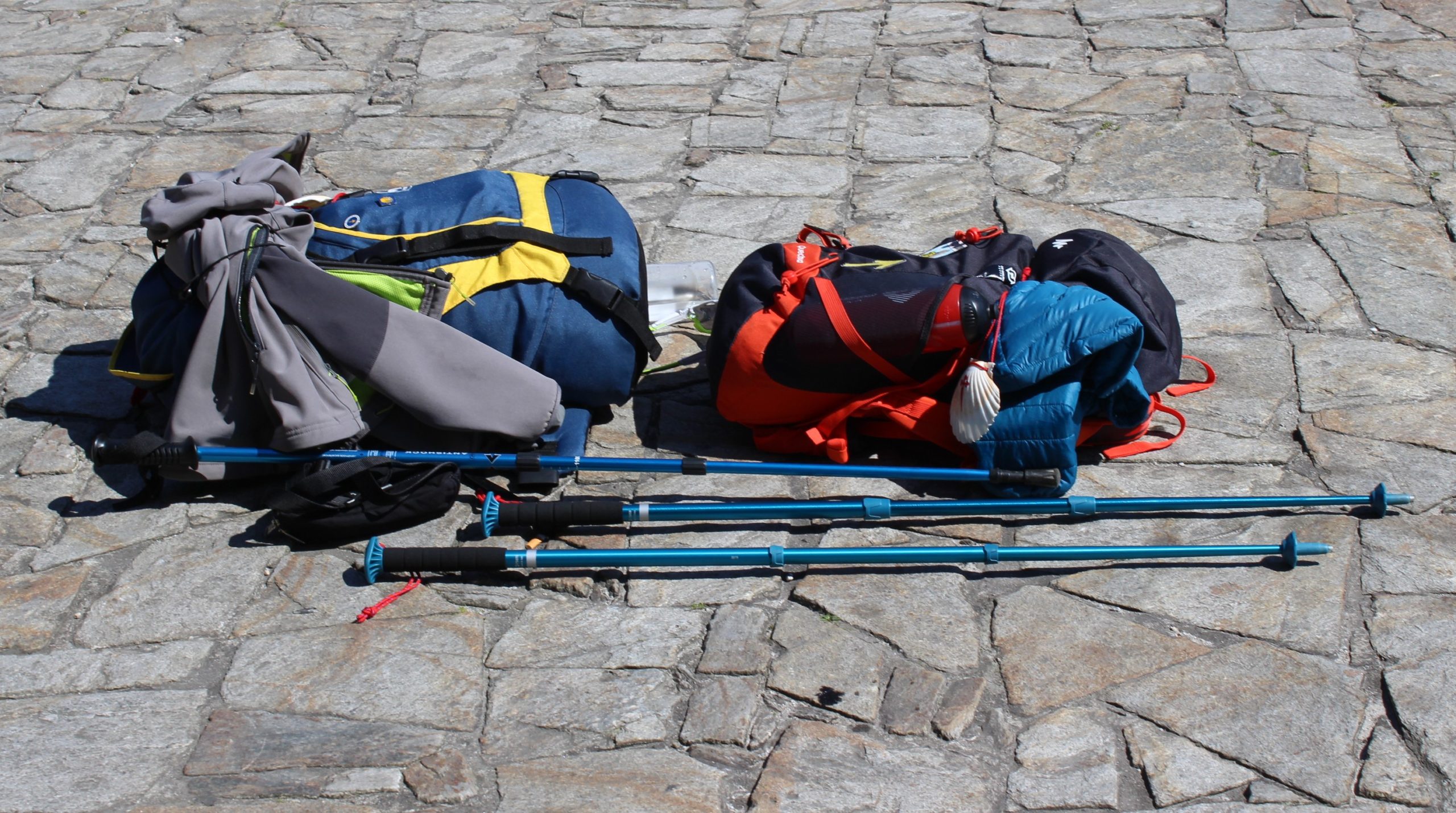
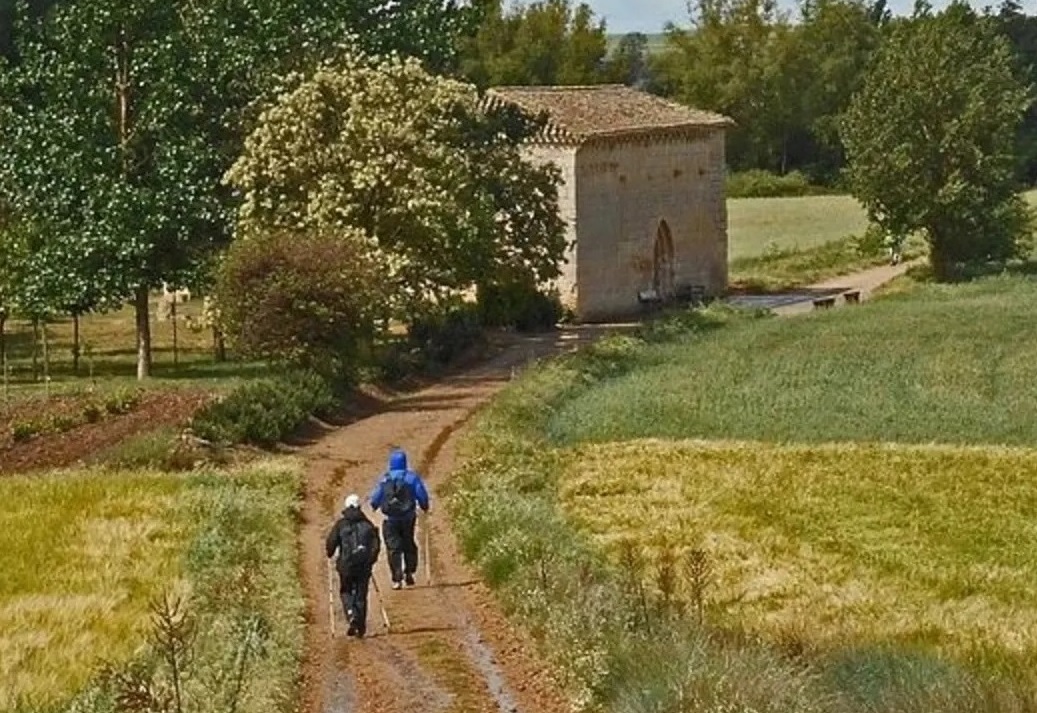
The old staves have not died, quite the opposite: the Camino is more crowded than ever with a variety of hiking and telescopic poles. However, today there is still a controversy around its use, on the one hand, some say that its use does not change anything on the...

Who was Santiago? What do we know about his life?

Who was Santiago? What do we know about his life?

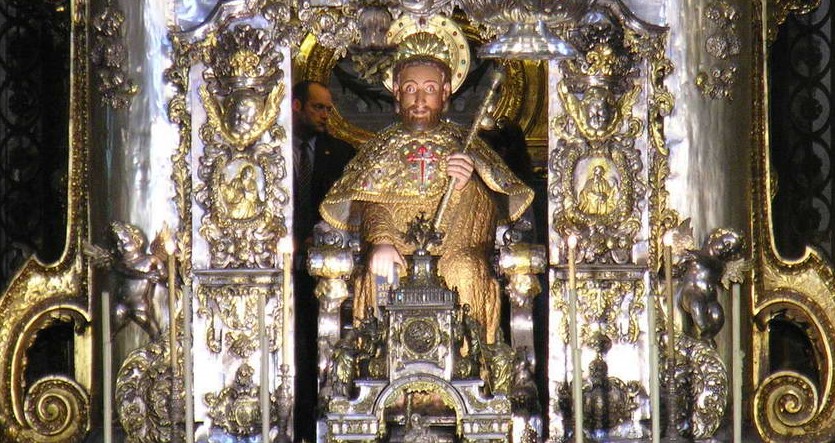
The legend and traditions created around Santiago are among the richest in the history of Christianity, but if we ignore those stories which were written centuries after his death, the actual knowledge we have about his life is very scarce. The best documented fact...

To go on pilgrimage alone

To go on pilgrimage alone

The Camino is one of the best experiences to confront solitude and spend time with oneself. For many people a pilgrimage has afforded them the opportunity to put to the test and overcome their fear of loneliness, and all who have undertaken this adventure claim to...

ROME, SANTIAGO, JERUSALEM: THE MAJOR PILGRIMAGES

ROME, SANTIAGO, JERUSALEM: THE MAJOR PILGRIMAGES

The year 2025 is a year of the Roman Jubilee. Far from forgetting or ignoring it, we at the Jacobean Foundation want to begin a series of posts on pilgrimages to Rome and their relationship with Santiago de Compostela. We begin this series with an introduction to the...

The Compostela

The Compostela

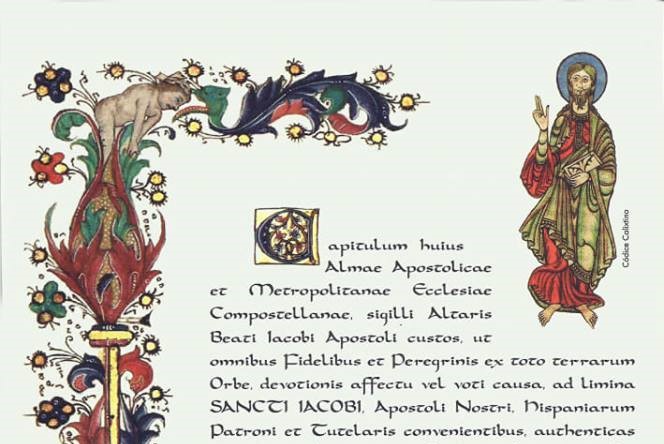
The "Compostela" is the document issued by the Pilgrim's Office of the Cathedral of Santiago that accredits having made a pilgrimage. From the origin of the pilgrimages to Santiago, in the ninth century or even earlier, different social and religious reasons would...

The Credential

The Credential

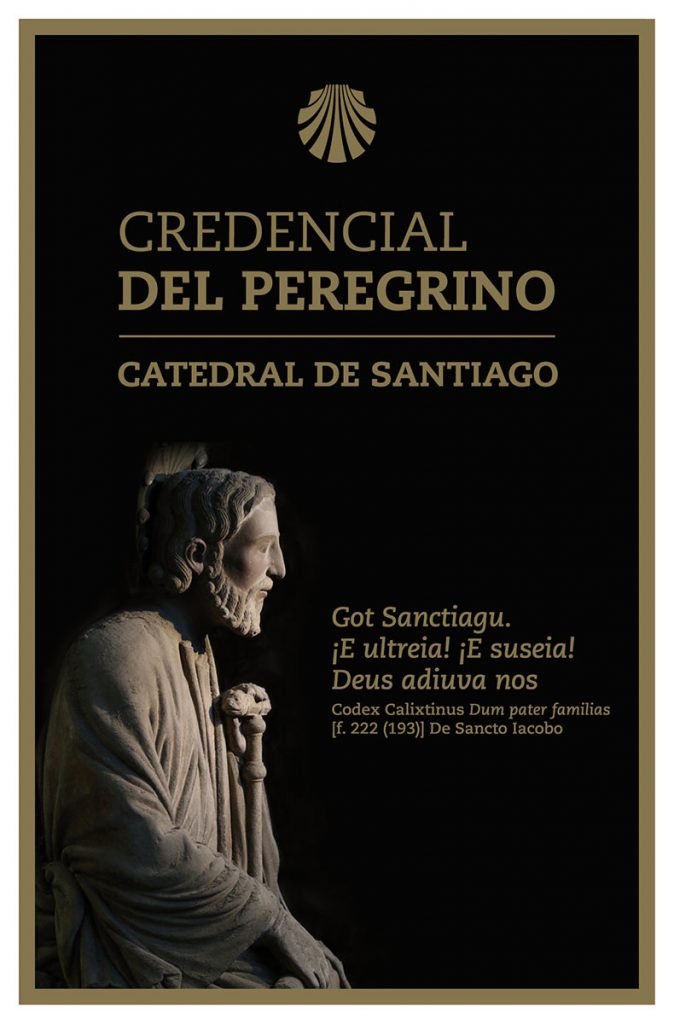
The credential or accreditation of the pilgrim is a document of medieval origin. In the Middle Ages special safe-conducts were created so that pilgrims could cross the European territories and find accommodation in pilgrims’ hospitals and monasteries and the present-...

The Order of St. John of Malta and the Way of St. James

The Order of St. John of Malta and the Way of St. James

Throughout the Middle Ages and the Modern Age, military orders played a special role in the Camino, where the presence of its knights, including monks and warriors, was instrumental in the defense of the pilgrims and the route itself. The Military and Hospitalier...

Fundación Jacobea
Privacy Overview

This website uses cookies so that we can provide you with the best user experience possible. Cookie information is stored in your browser and performs functions such as recognising you when you return to our website and helping our team to understand which sections of the website you find most interesting and useful.