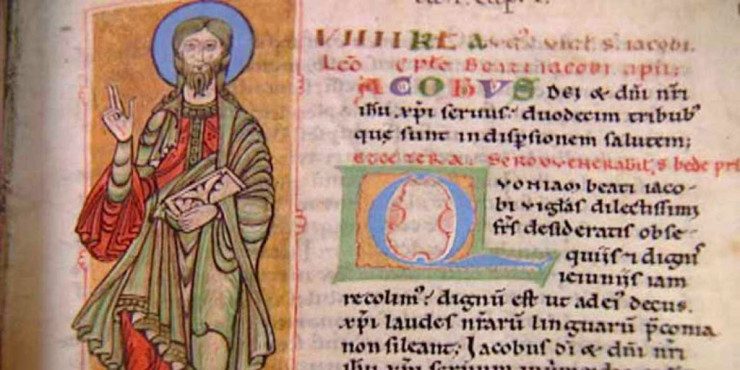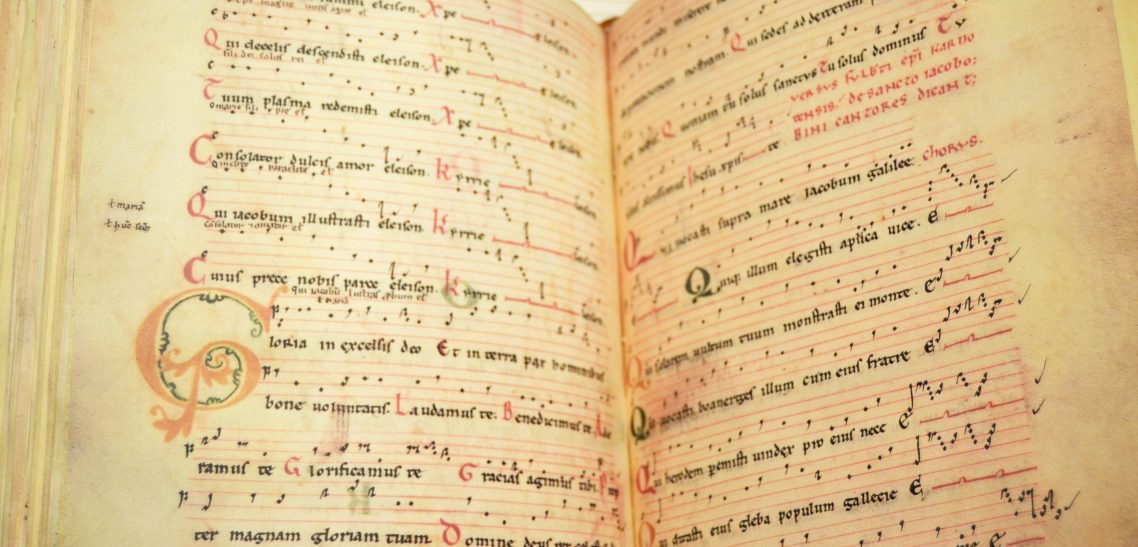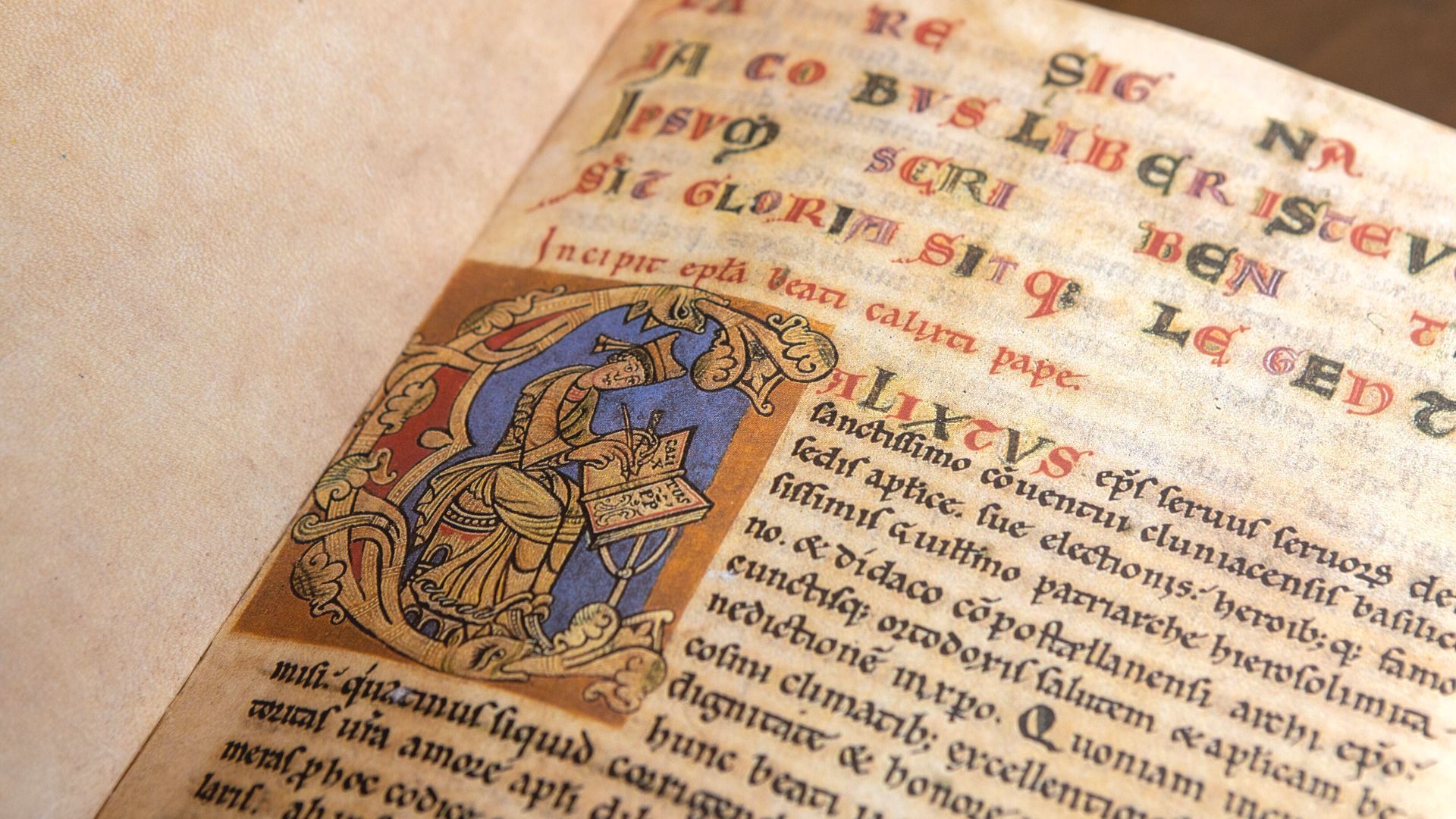
We are continuing to go through the books that make up the Codex Calixtinus… Book II occupies 16 folios (f. 139v – 155v) of the codex, being the second smallest of those that compose it. After the extensive book I, dedicated to the liturgy and festivities of Santiago,...
History and tradition
Margery Kempe, pilgrim to Santiago in 1417
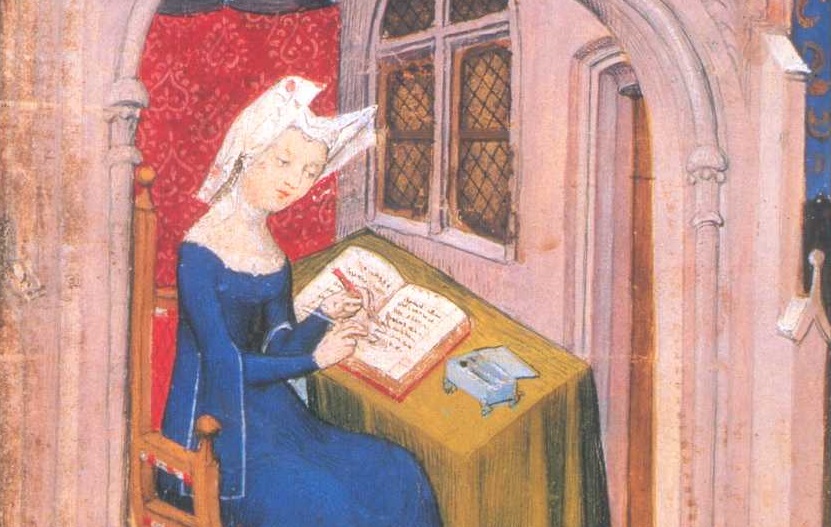
In 1934 the manuscript of the biographical stories of Margery Kempe (1373-1438) was discovered - a very long text from the early fifteenth century of which until then only seven pages were known. It is one of the oldest pilgrimage itineraries, a very different...
The tradition of welcome to pilgrims at the Hostal de los Reyes Católicos
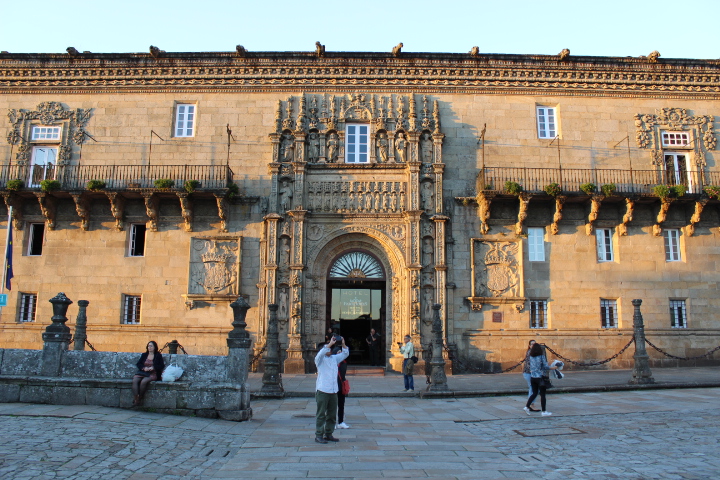
During the pandemic, the confinement and the difficulties in travelling from other countries or in moving around Spanish territory made the Camino inaccessible, but, in addition, the restrictions made many of the main traditions and rituals of the pilgrimage to...
THE BRIDGES: A KEY ELEMENT OF THE WAY OF ST. JAMES
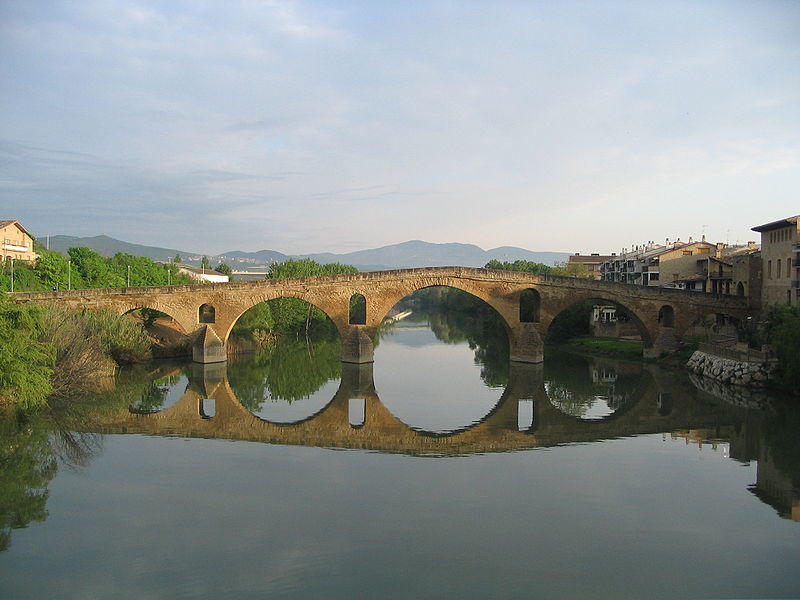
One of the main problems of traveling in the Middle- Ages was river-crossing. The Way of St. James, one of the most widely used routes of the time, was not free from this difficulty. It was crossed by many rivers, some of which were very wide and difficult to be...
Sarria seen by pilgrims from other centuries
Through the testimony of pilgrims from other centuries we can reconstruct the town of Sarria as it was throughout its history. Thanks to their stories we know the central importance of its fortress, its convent and the bridge that allowed pilgrims to pass through to...
The Codex Calixtinus: Book I. Liturgy, music and festivities of Santiago
As we announced in a first introductory text (https://www.fundacionjacobea.org/en/santiago-of-compostela/the-book-of-santiago-introduction-to-the-codex-calixtinus/), we wish to devote our attention to studying the Calixtinus Codex (Liber Sancti Jacobi) in depth,...
Domenico Laffi and his ‘Travel in the West to Saint James of Galicia and Finisterre’ (1673)
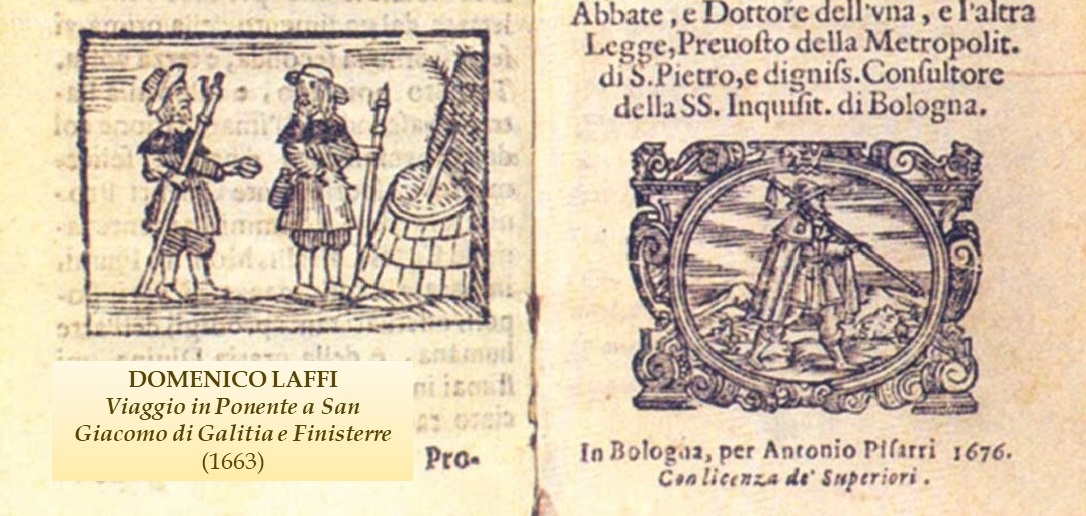
Domenico Laffi was an Italian clergyman originally from the 17th century city of Bologna, a pilgrim to Compostela on several occasions and the author of an extraordinary account of his pilgrimages published and republished numerous times over the centuries. Through...
The shell: the emblem of the pilgrimage to Santiago
The shell, as an emblem of pilgrimage, "signum peregrinorum", has been in use since at least the twelfth century, but despite other pagan and Christian uses throughout the centuries, it began to develop enormously in the medieval period as a heraldic element, a...
The Book of Santiago: Introduction to the Codex Calixtinus
The Calixtino Codex (Codex Calixtinus) is an extraordinary compilation made up of documents, scores and miniatures of great value, a compendium of Jacobean culture, the history of the Apostle Santiago, his worship and pilgrimage. In the words of Klaus Herbers, it...
Egeria: Pilgrim, Traveller and Writer of the IV Century
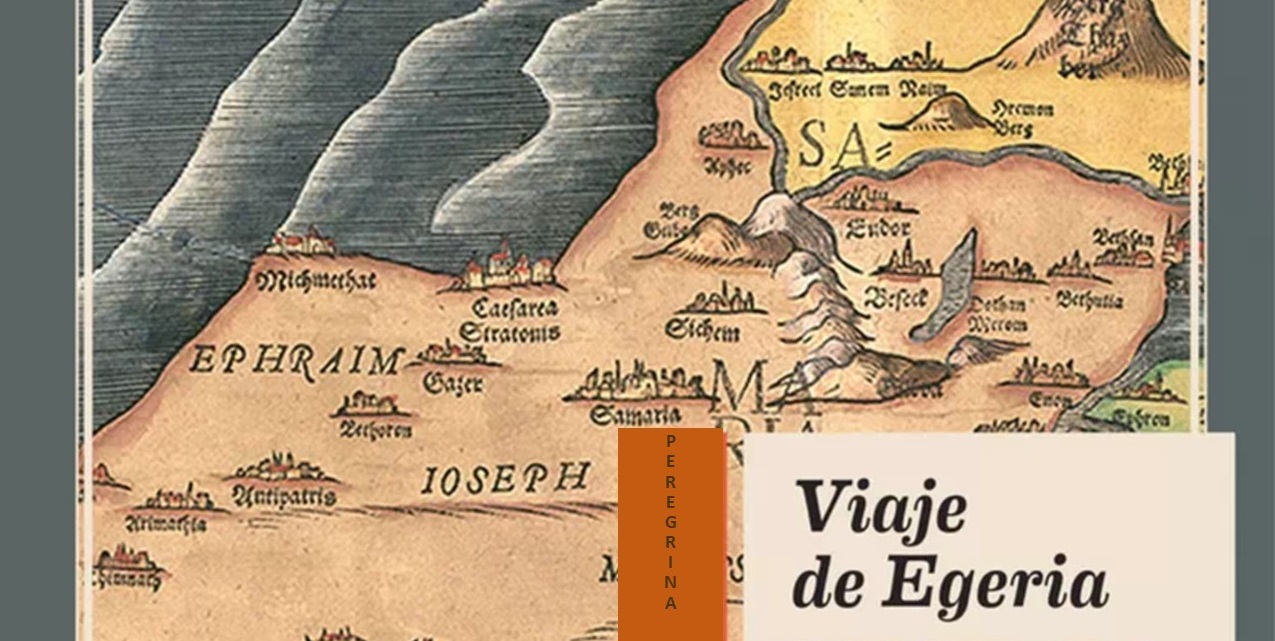
Egeria, also called Eteria, Ætheria or Etheria, was a Galician pilgrim, traveller and writer from the 4th century. The importance of this historical figure is enormous, since she is the first pilgrim and traveller that we know of, as well as being the first known...
History and legend of the Saint James the Great Sepulcher
The first text referring to the fact that the apostle James had been buried in Spain is the "Breviary of the Apostles." The text also refers to the "Arca Marmórica", one of the essential elements of the legend of Santiago, that is to say, the fact that his body had...
The day of St. James: What do we celebrated on the 25th of July?
On July 25th the celebration of the Apostle Santiago is celebrated, it is the day of Santiago el Mayor and many celebrate it ... but few know why! During the Middle Ages, the feast of Saint James meant a special day insofar as it recalled the Saint in the religious...