The Ways of Santiago

The “pallozas” of O Cebreiro

The “pallozas” of O Cebreiro

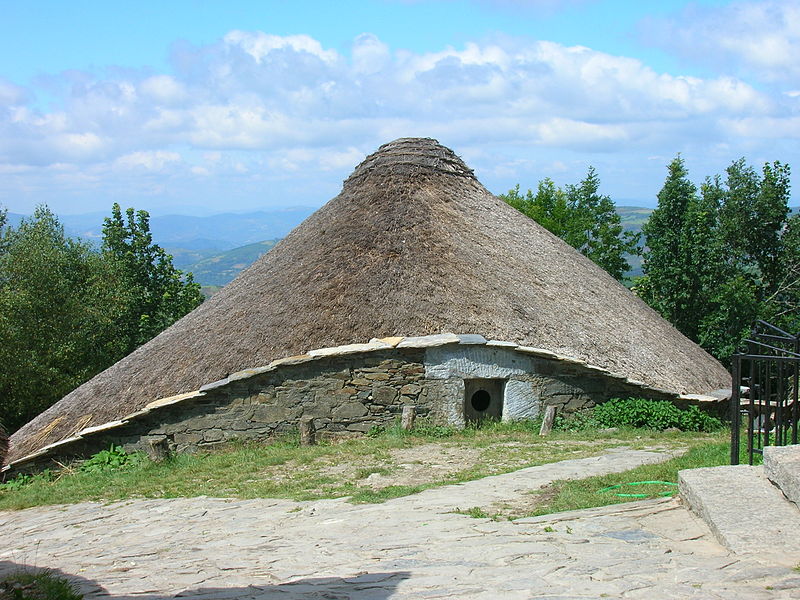
The Marian and Jacobean sanctuary of Sta. María do Cebreiro is one of the most important landmarks on the Camino de Santiago. There are few pilgrims who don't treasure memories of their time in O Cebreiro: the serenity and intimacy of the interior of their church,...
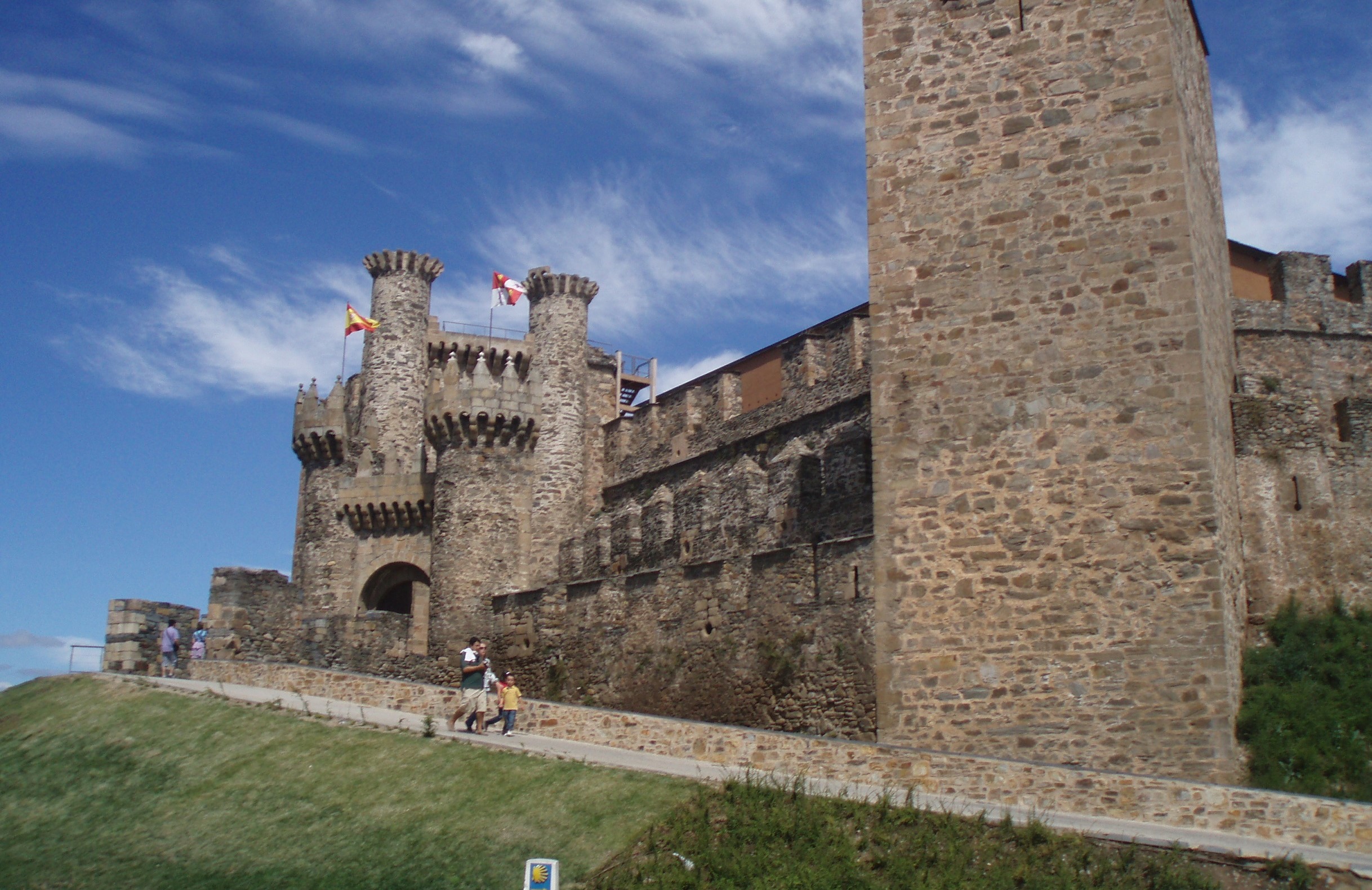
The French Way: The Castle of Ponferrada

The French Way: The Castle of Ponferrada

There must be few pilgrims do not remember Ponferrada castle! It is known as the “Castle of the Templars”, because the Order of the Knight Templars played a significant role in the town since 1178, when King Ferdinand II allowed them to settle in the area and, above...

Iria Flavia and the origin of the Saint James tradition in Galicia

Iria Flavia and the origin of the Saint James tradition in Galicia

The town and river bank of Iria Flavia was, according to tradition, the landing place of the boat that carried the body of the Apostle from the port of Haifa (Palestine). Iria Flavia is thus linked to the origin of the legend of Santiago: to the Traslatio de Santiago,...

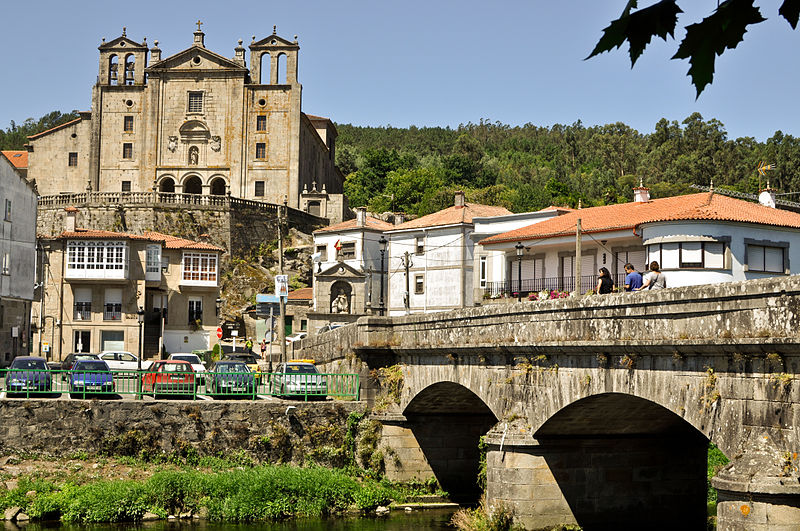
Padrón and the origen of the Saint James tradition in Galicia

Padrón and the origen of the Saint James tradition in Galicia

Padrón is not a town on the Portuguese Way: Padrón is a central place in the legend of Santiago that all pilgrims should know! Just over 20 kilometers from Santiago, half an hour by train or a few hours walking, Padrón offers pilgrims from Compostela Jacobean history,...

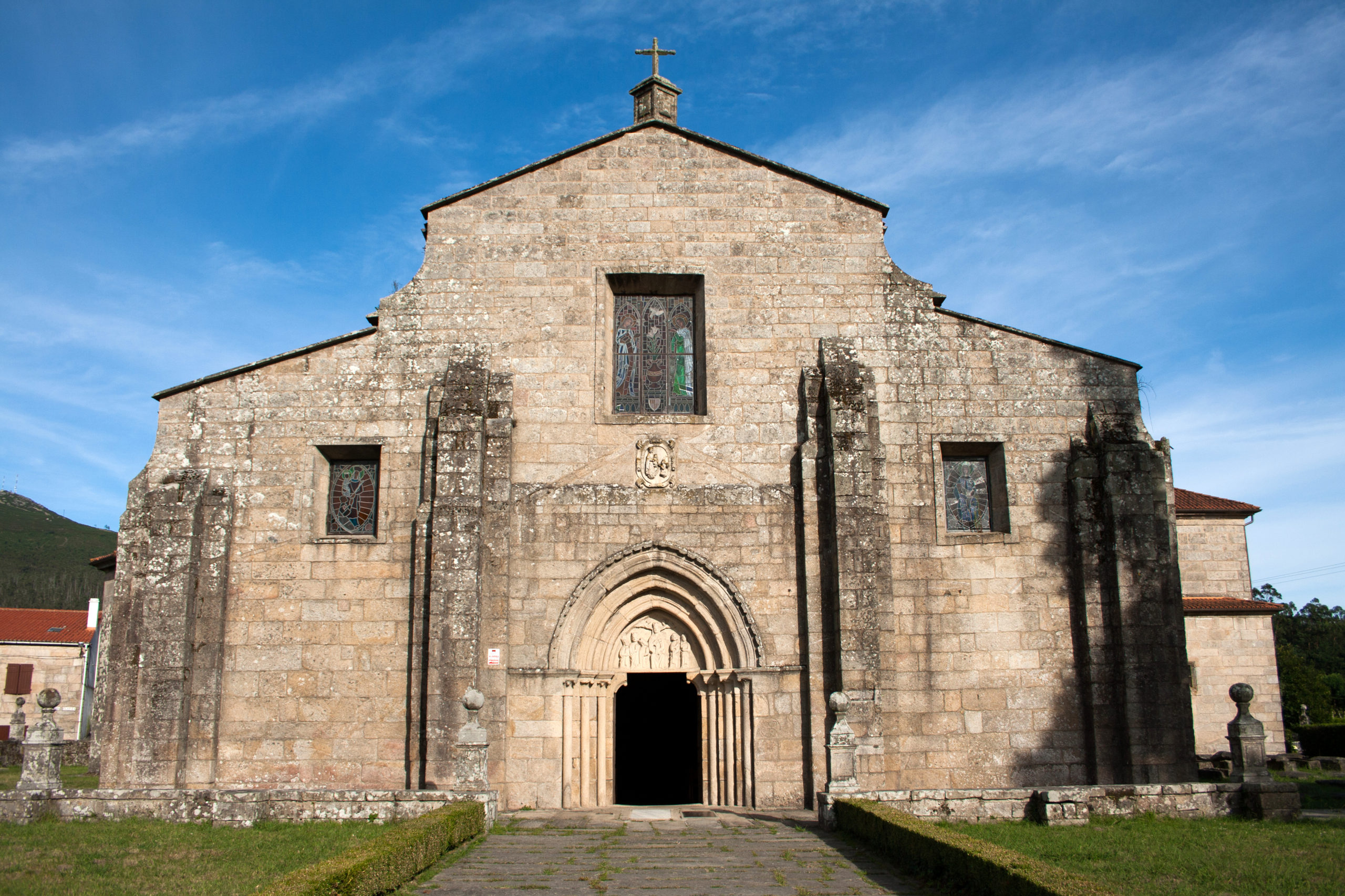
The French Way: Roncesvalles and its Colegiata of Santa María

The French Way: Roncesvalles and its Colegiata of Santa María

Roncesvalles owes its extraordinary reputation thanks to medieval minstrels and pilgrims, medieval poetry and pilgrimages. Its fame is mainly due to one of the most legendary medieval exploits in the history of the West, the Battle of Roncesvalles: where the armies of...

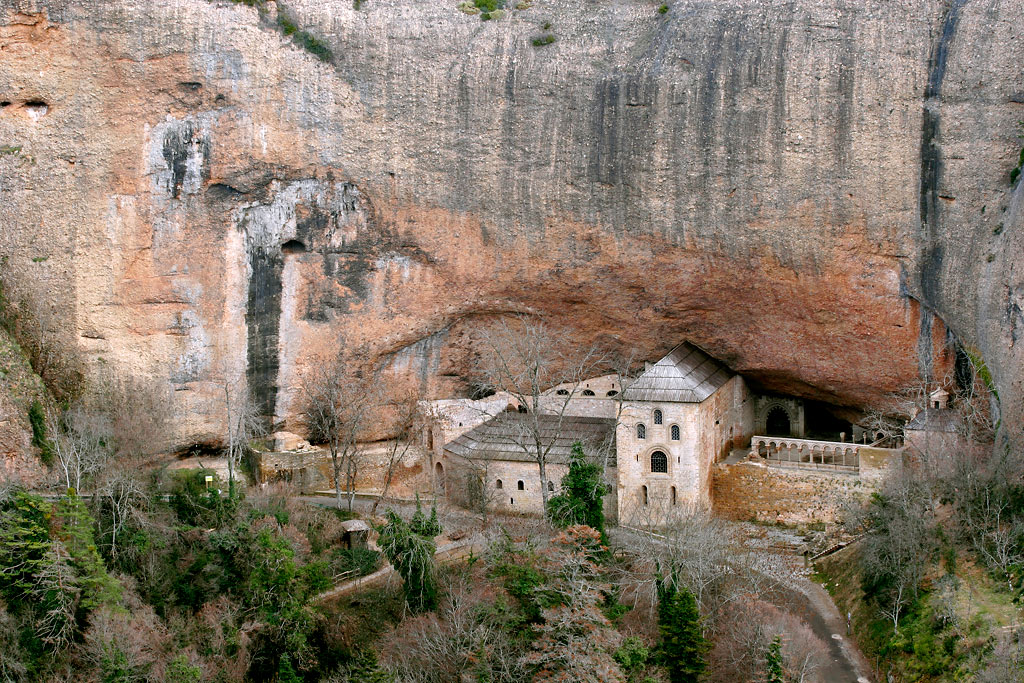
The French Way: San Juan de la Peña

The French Way: San Juan de la Peña

In the middle of the mountains is not in this case a metaphorical description, the monastery of San Juan de la Peña is literally and spectacularly in the middle of the Aragonese Pyrenees, in the foothills of its Monte Oroel. Rarely have architecture and nature fused...

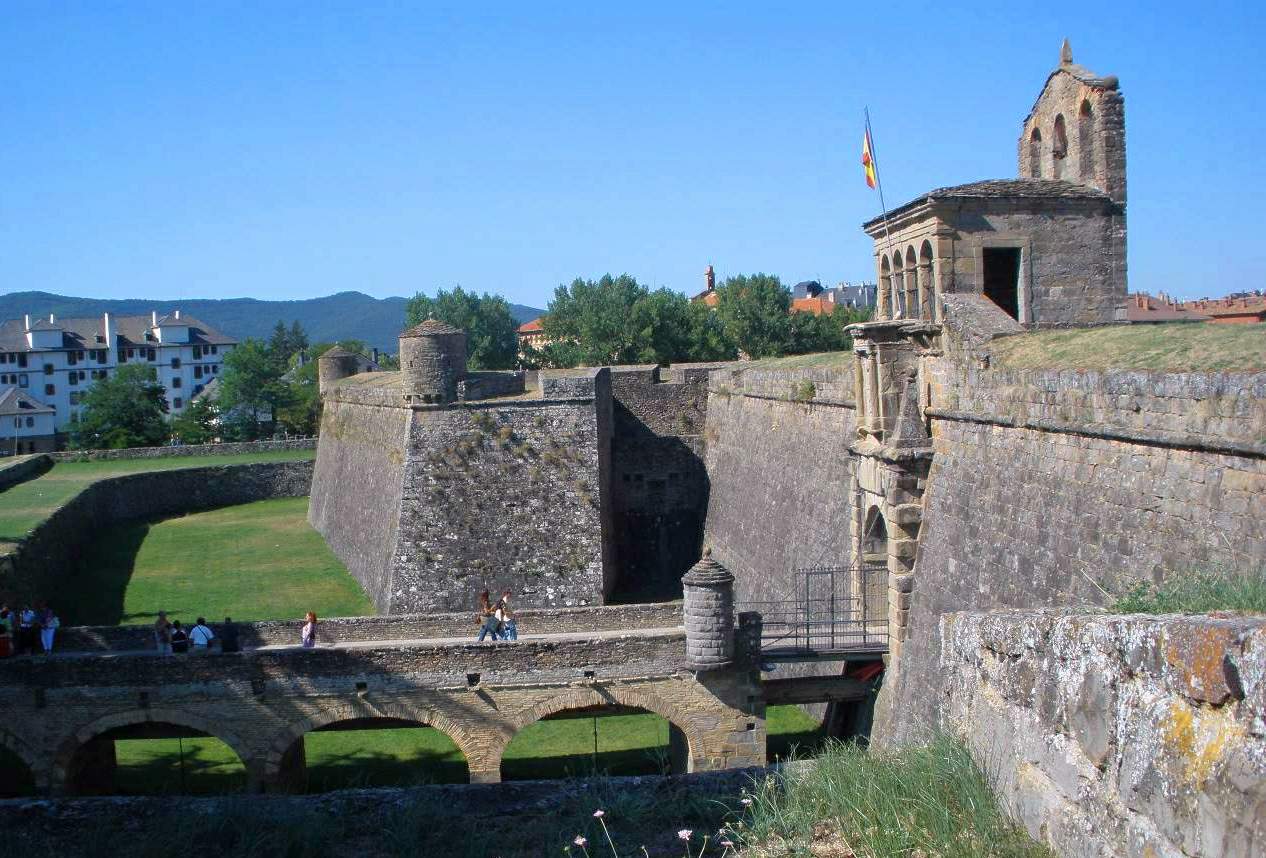
The French Way: Jaca and the Camino Aragonés

The French Way: Jaca and the Camino Aragonés

Jaca is the most important village on what is known as the Aragonese Way, a branch of the French Way which winds its way through the land of Aragon, and is located 818 kilometers from the city of Santiago. In the Codex Calixtino it appears as the end of the stage that...

The Monastery of the Magdalena of Sarria: History and architecture

The Monastery of the Magdalena of Sarria: History and architecture

High on a hill and dominating the town of Sarria there is the monastery of the Magdalena. For centuries the monks who lived there followed the rule of St. Augustine, although until 1568 the monastery became independent, constituting the first settlement of the Order...

The English Way: Itineraries, distances, stages

The English Way: Itineraries, distances, stages

The English Way takes its name from the fact that many Englishmen who in the past centuries made their pilgrimage to Santiago by sea, would mostly disembark in the ports of A Coruña or Ferrol and then continue on foot to the city of Compostela. For this reason, it is...

The English Way: A Coruña

The English Way: A Coruña

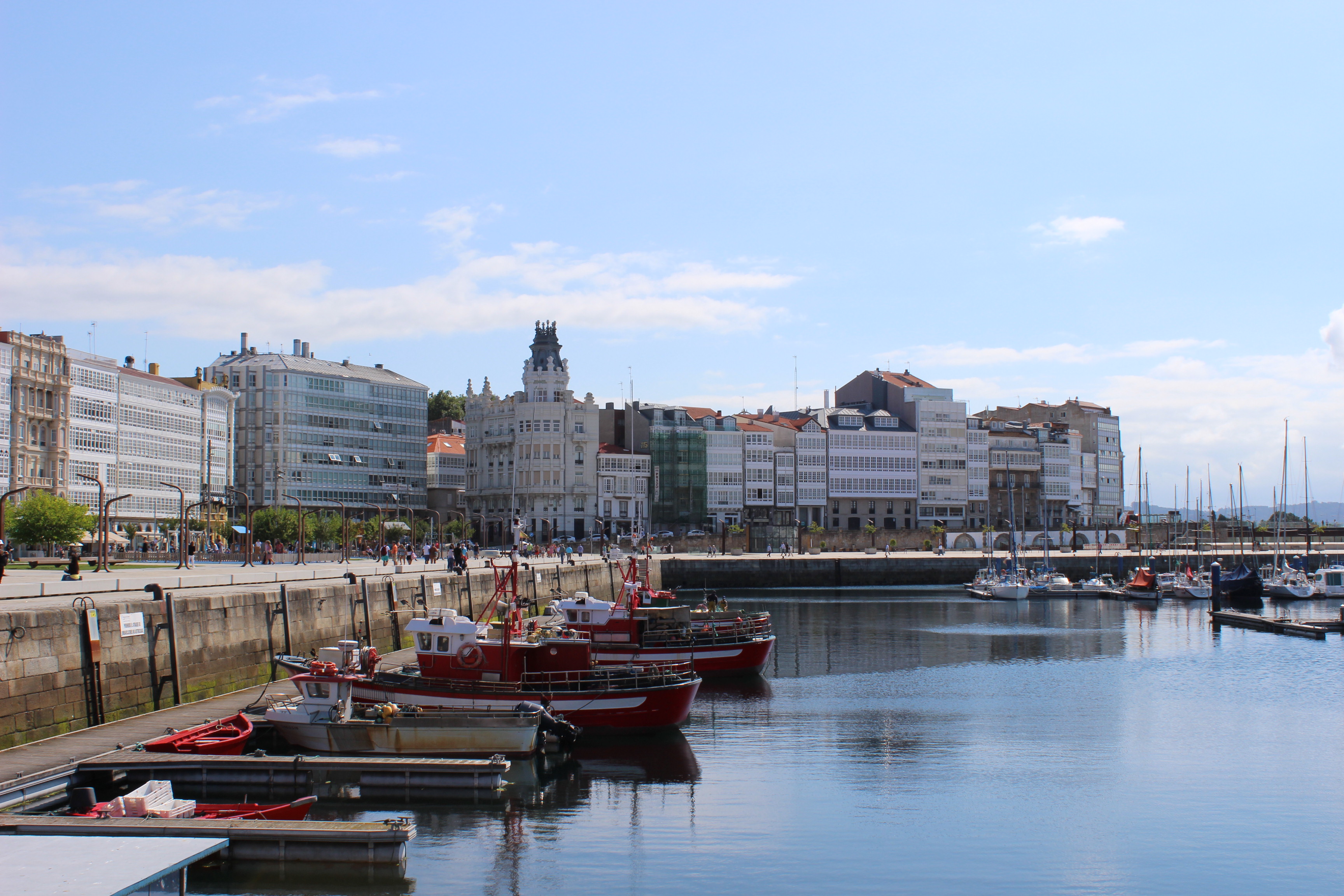
Located on a small peninsula in the northwest of Galicia, A Coruña has its origins in pre-Roman times, as the remains of the Castro de Elviña eloquently testify. But, and above all, it is magnificent lighthouse known as The Tower of Hercules which stands as a symbol...

The English Way: Ferrol

The English Way: Ferrol

Ferrol must have been one of the busiest ports in Galicia during the golden centuries of maritime pilgrimages: that is to say, between the thirteenth and seventeenth centuries. This port, together with that of A Coruña was the main destination for the ships carrying...

The French Way: Rabanal del Camino

The French Way: Rabanal del Camino

Rabanal is one of those “miracles of the Camino” of which all pilgrims speak, one of the greatest miracles of the Camino: a town that today maintains its traditional architecture in good condition and an enormous economic and social vitality, after decades of...

Fundación Jacobea
Privacy Overview

This website uses cookies so that we can provide you with the best user experience possible. Cookie information is stored in your browser and performs functions such as recognising you when you return to our website and helping our team to understand which sections of the website you find most interesting and useful.