
Gabriela. Romania
I think the Camino calls you, if you have to do it, I’m sure you’ll end up doing it. I felt that I was being called by several signs of different events: the first was that I read that someone from Romania did the Camino, then I discovered Paolo...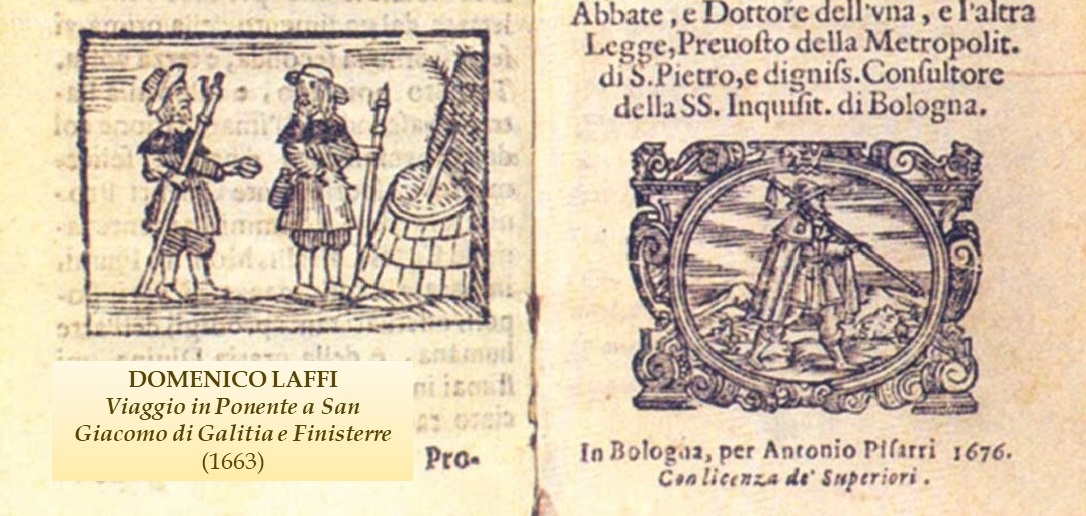
Domenico Laffi and his ‘Travel in the West to Saint James of Galicia and Finisterre’ (1673)
Domenico Laffi was an Italian clergyman originally from the 17th century city of Bologna, a pilgrim to Compostela on several occasions and the author of an extraordinary account of his pilgrimages published and republished numerous times over the centuries. Through...
The shell: the emblem of the pilgrimage to Santiago
The shell, as an emblem of pilgrimage, “signum peregrinorum”, has been in use since at least the twelfth century, but despite other pagan and Christian uses throughout the centuries, it began to develop enormously in the medieval period as a heraldic...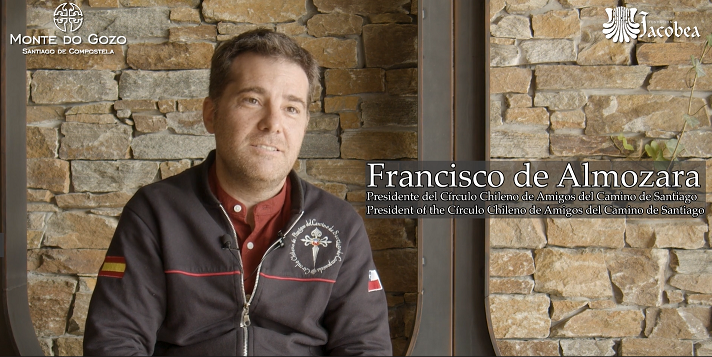
Francisco de Almozara Valenzuela – Círculo Chileno de Amigos del Camino de Santiago de Compostela
Francisco Javier de Almozara Valenzuela President of the Círculo Chileno de Amigos del Camino de Santiago de Compostela...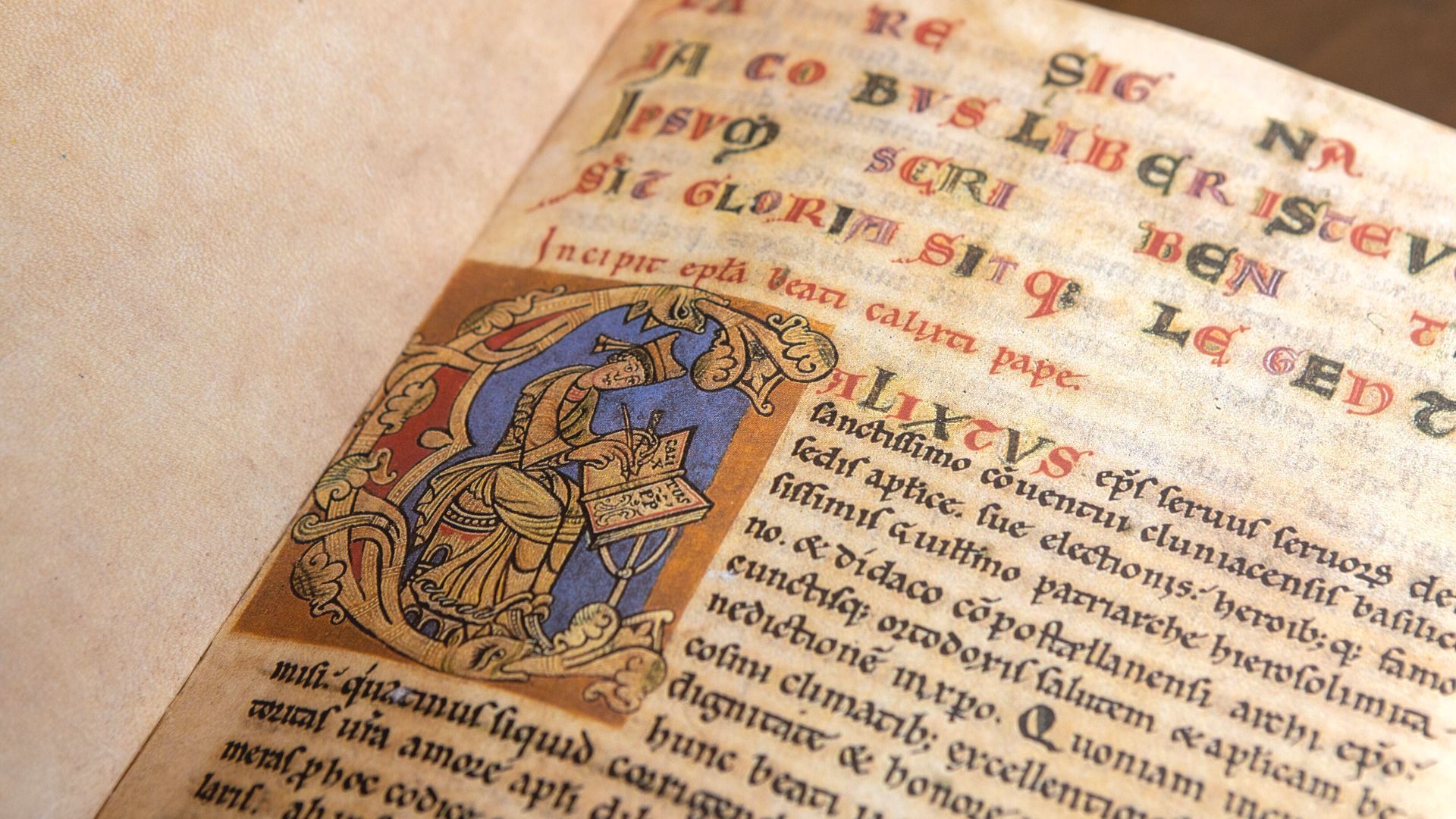
The Book of Santiago: Introduction to the Codex Calixtinus
The Calixtino Codex (Codex Calixtinus) is an extraordinary compilation made up of documents, scores and miniatures of great value, a compendium of Jacobean culture, the history of the Apostle Santiago, his worship and pilgrimage. In the words of Klaus Herbers, it...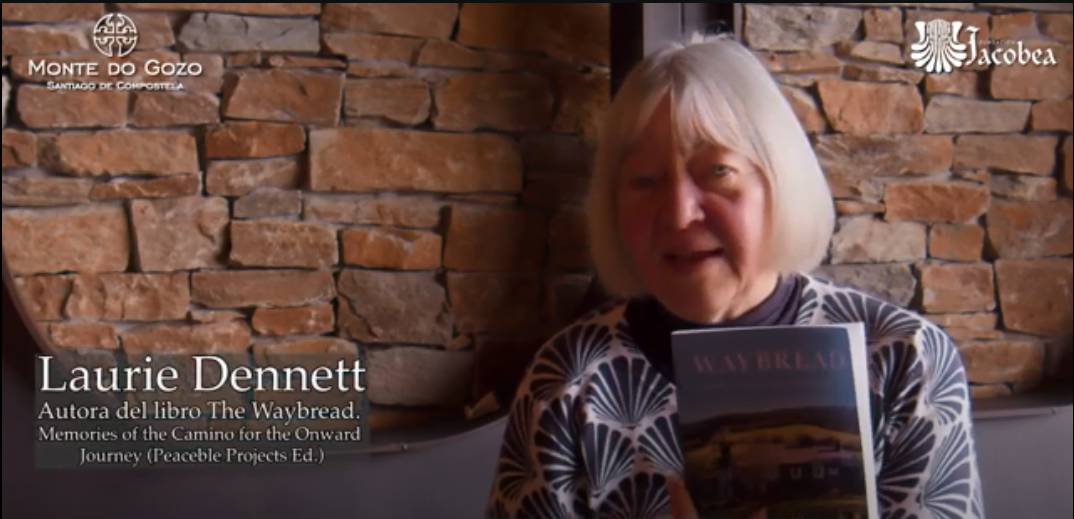
Laurie Dennett talks about her new book: Waybread. Memories of the Camino for the Onward Journey
Egeria: Pilgrim, Traveller and Writer of the IV Century
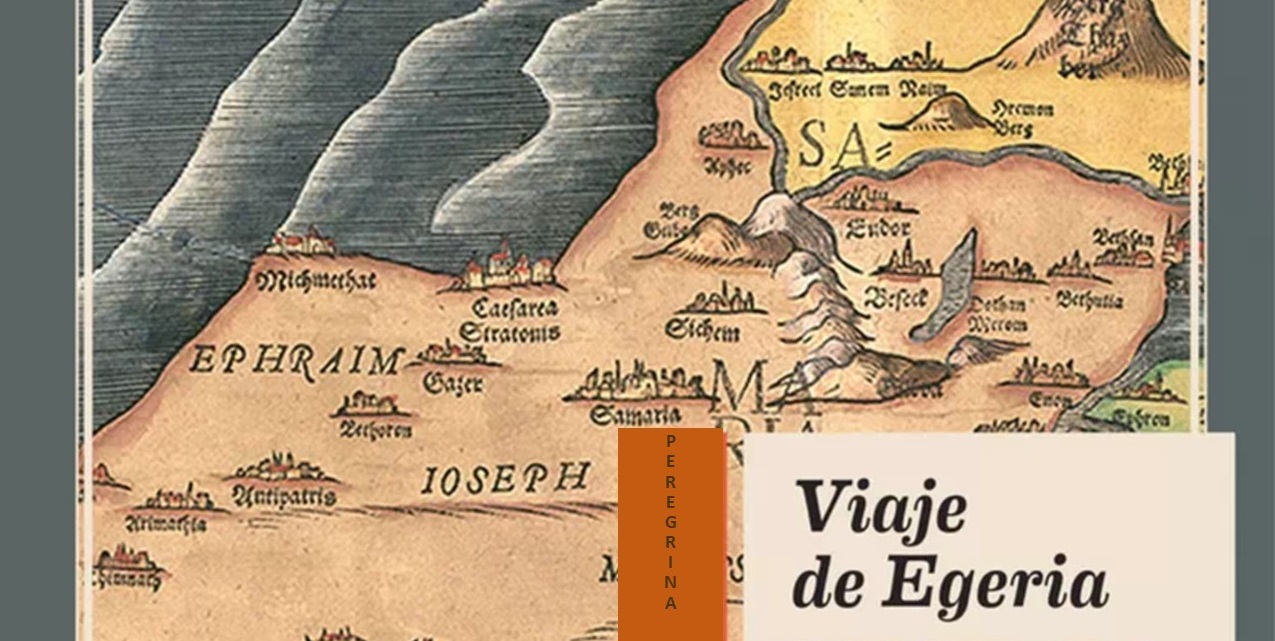
Egeria, also called Eteria, Ætheria or Etheria, was a Galician pilgrim, traveller and writer from the 4th century. The importance of this historical figure is enormous, since she is the first pilgrim and traveller that we know of, as well as being the first known...
History and legend of the Saint James the Great Sepulcher
The first text referring to the fact that the apostle James had been buried in Spain is the “Breviary of the Apostles.” The text also refers to the “Arca Marmórica”, one of the essential elements of the legend of Santiago, that is to say, the...